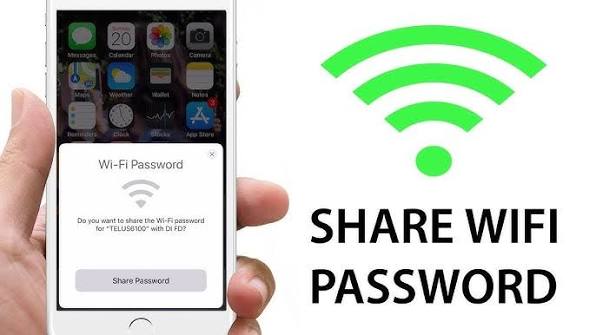
In today’s connected world, WiFi passwords play a crucial role in protecting personal data, controlling network access, and ensuring a safe online experience. Whether at home, in the office, or in public spaces, a secure WiFi password is your first line of defense against unauthorized users and cyber threats.
What Is a WiFi Password?
A WiFi password is a security key required to connect to a wireless network. It prevents unauthorized access and ensures that only approved users can use the internet connection. Most modern networks use encryption standards like WPA2 or WPA3, which rely on strong passwords to keep data secure.
Why WiFi Passwords Are Important
1. Protecting Personal Data
Without a secure password, hackers can access your network and potentially steal sensitive information such as banking details, emails, and private files.
2. Preventing Unauthorized Usage
If too many unknown users connect to your WiFi, it can slow down your internet speed and increase your data usage.
3. Avoiding Cyber Attacks
An unsecured network can be used for illegal activities, making you vulnerable to legal issues or cyber threats.
Conclusion
WiFi passwords are essential for maintaining online privacy and network security. A strong and well-managed password can protect your data, improve your internet performance, and reduce the risk of cyber threats. Taking a few simple steps today can ensure a safer and more reliable connection for the future.