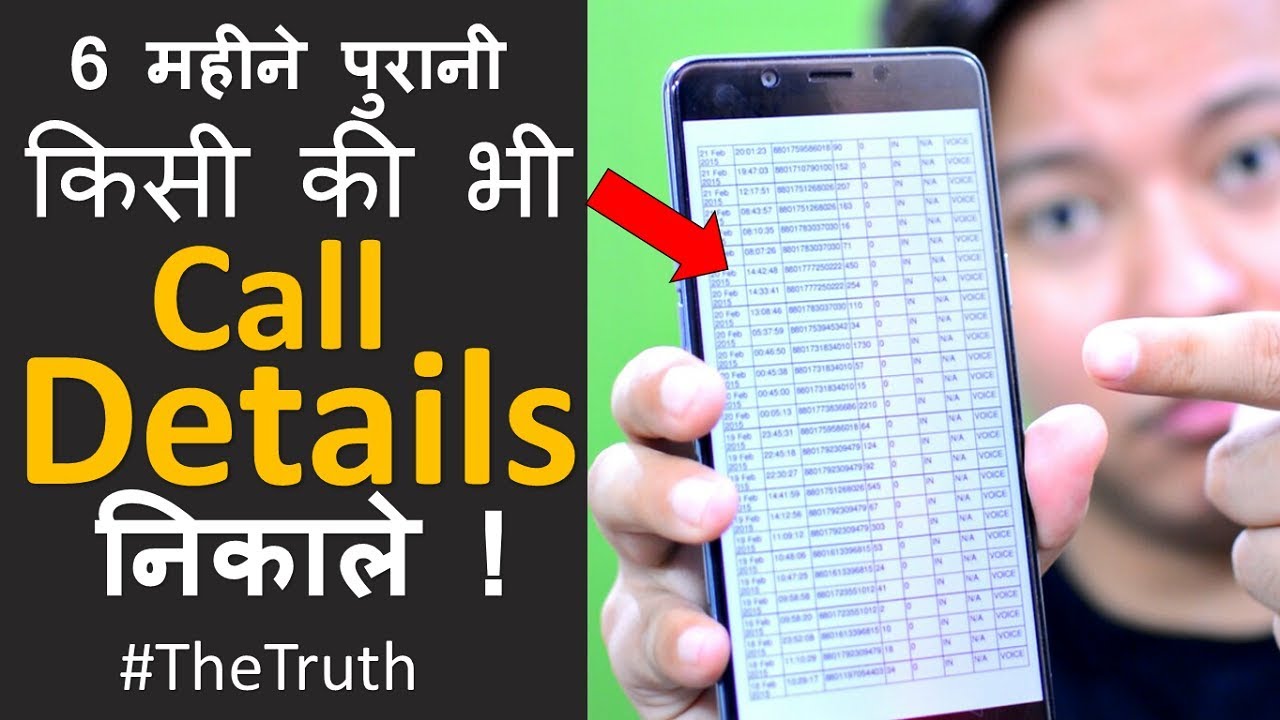
In today’s digital world, every phone call leaves behind a trace known as call details. These records play a crucial role in communication systems, security, billing, and even personal tracking of usage. Whether you’re a regular mobile user or someone interested in telecom systems, understanding call details can be very useful.
A typical call detail record includes:
- Caller’s phone number
- Receiver’s phone number
- Date and time of the call
- Call duration
- Call type (incoming, outgoing, missed)
- Location of network towers (in some cases)
Why Call Details Are Important
1. Billing and Usage Tracking
Telecom companies use call details to calculate your monthly bill, especially for prepaid and postpaid plans.
2. Security and Investigation
Law enforcement agencies may use call records (with proper legal permission) to investigate criminal activities or track suspicious behavior.
3. Personal Monitoring
Users can access their own call history to keep track of communication patterns or manage phone usage.
Privacy Concerns
While call details are useful, they also raise privacy issues. Since they contain sensitive metadata, unauthorized access can lead to misuse. That’s why telecom providers follow strict regulations to protect user data. Access to detailed call records is usually restricted and requires verification or legal authorization.
How to Check Your Call Details
Most telecom providers allow users to check call details through:
- Official mobile apps
- Customer service portals
- SMS-based services
- Customer support centers
Conclusion
Call details are an essential part of modern communication systems. They help in billing, security, and performance analysis, while also allowing users to monitor their usage. However, it’s important to handle this information responsibly due to privacy concerns. As technology evolves, the management and protection of call data will continue to be a key focus in the telecom industry.